
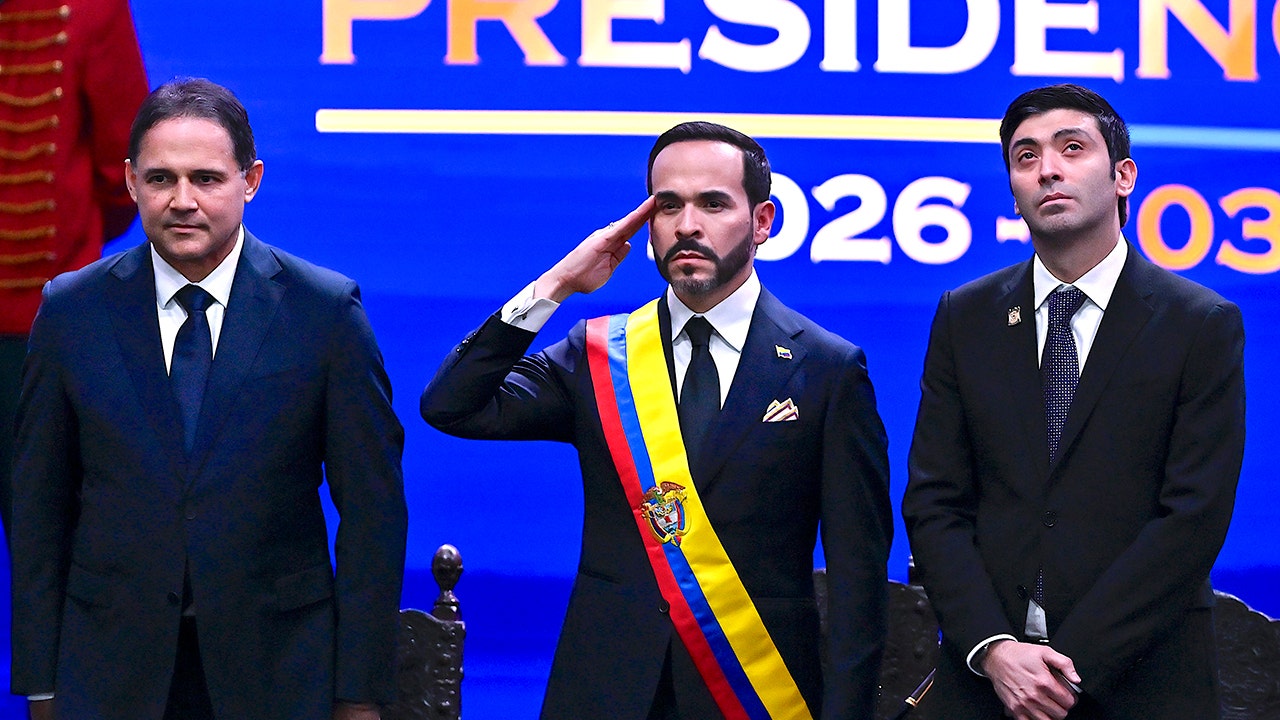
Colombia has entered a new political chapter with the inauguration of President Abelardo de la Espriella, a conservative leader known as "El Tigre," who has pledged to reverse much of his predecessor's left-wing agenda. De la Espriella was sworn into office on August 7 in Cali, Colombia, and was joined by several conservative presidents from across the region, including Argentina's Javier Milei and Ecuador's Daniel Noboa.
De la Espriella's inauguration marks one of the most significant political shifts in Latin America in recent years. He has vowed to restore a tougher approach to security, economic policy, and relations with the United States, which had become strained under his predecessor's "Total Peace" strategy. The new president faces the challenge of translating campaign promises into governing reality.
One of De la Espriella's first acts as president was to join The Shield of the Americas, a group founded by President Trump. For the US, Colombia remains its closest security partner in South America, and the country's security conditions have significant implications for regional migration, organized crime, and narcotics trafficking. On foreign policy, De la Espriella has committed to rebuilding strategic ties with the United States, restoring close cooperation with Israel, and adopting a tougher stance toward authoritarian governments in Venezuela, Cuba, and Nicaragua.
However, analysts caution that De la Espriella's administration will face significant challenges in implementing its agenda. The country's financial situation is precarious, with a projected deficit of around 6.5-6.7% of GDP and a financing gap of close to $34 billion. Camilo Guzmán, executive director of Libertank, noted that the administration's most immediate challenge will be addressing the fiscal picture.
The International Monetary Fund projects Colombia's economy will grow by only about 2.3% this year, while inflation remains elevated, limiting the government's room for new security initiatives or major economic reforms without additional spending cuts or revenue measures. Security presents an equally daunting challenge, with violence intensifying across several regions and criminal organizations expanding their territorial influence.
Analysts suggest that De la Espriella's first 100 days in office will be crucial in establishing credibility and demonstrating that campaign promises can evolve into a coherent governing strategy. The new president will need to assemble an effective governing team and make key decisions on issues such as security cooperation with Washington, diplomatic engagement with Israel, and fiscal adjustment plans.
NTC Report coverage is based on reporting from the original publisher.
View original reporting →