
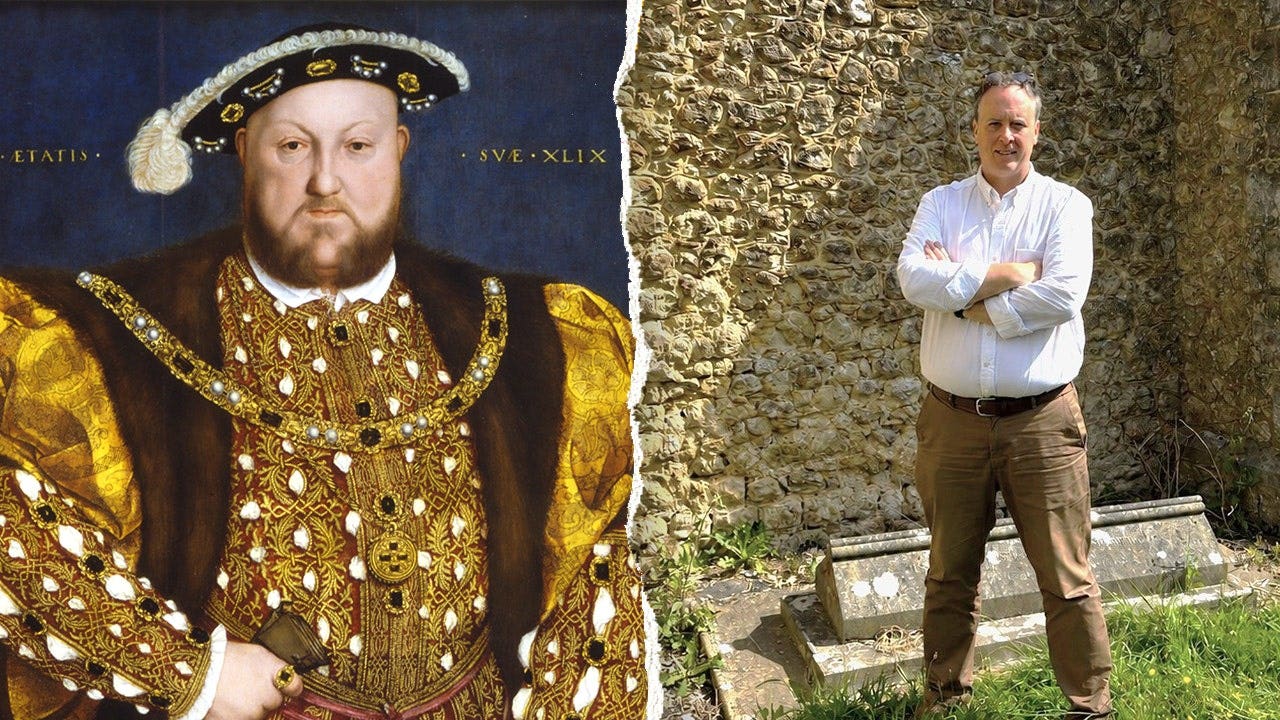
A researcher from the University of Kent has announced the discovery of remnants from King Henry VIII's long-lost Sandown Castle. The castle, built between 1539 and 1540 to defend the coast of England, was eventually abandoned and dismantled. However, its stone was reused in various locations, including the Victorian extension at Constable's Gate at Dover Castle.
According to researcher Christopher Moore, who specializes in hidden and lost heritage, he found evidence that some of the stone used at Dover Castle was taken from Sandown Castle. Moore traced the stone through historical records and architectural evidence, including an 1883 report documenting materials being sent from Sandown Castle to Dover.
Moore has identified at least five sites where stone from Sandown Castle was reused. One of the most interesting examples is Eastry Union Chapel in Kent, which contains a patchwork of stonework that is likely to have come from ruined monasteries dating back to Norman England. Moore believes that many more examples of Sandown's reused masonry remain to be identified.
Moore's research involved taking chemical samples from stone at Eastry and comparing them with examples elsewhere to determine their origins. The process created a web of information about where the masons were likely robbing the stone and where it was going. Moore has also contributed a chapter on Sandown Castle's forgotten history to a recently published book on revivalism in architecture.
Moore pointed out that Tudor fortifications were built to be remarkably durable, and that Sandown's sister fortress, Deal Castle, sustained relatively little damage to its original Tudor structure when it was struck by a bomb during World War II. This, Moore said, suggests that the myth that Sandown Castle fell into the sea is just that - a myth.
NTC Report coverage is based on reporting from the original publisher.
View original reporting →