
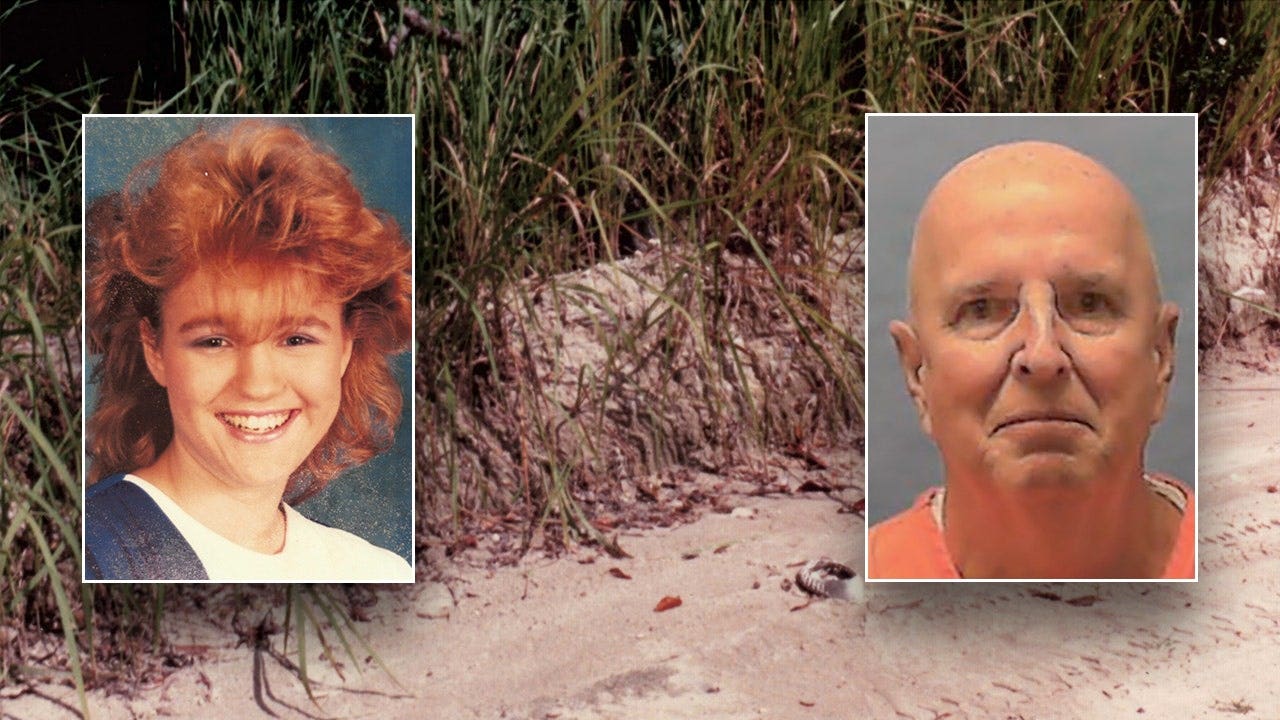
The execution of James Duckett has brought closure for two families who believe they both lost young girls to the same killer. Duckett was put to death by lethal injection on July 28 at the Florida State Prison in Raiford for the rape and murder of 11-year-old Teresa McAbee, a crime that occurred while he was working as a police officer for the Mascotte Police Department. McAbee's family attended his execution.
Duckett is also suspected of killing 14-year-old Jeanifer Weldon four months after murdering McAbee. The Polk County Sheriff's Office believes that Duckett used his old law enforcement uniform to convince Weldon he could provide a safe ride home, and she died by strangulation with evidence suggesting she was raped before her death.
However, despite strong circumstantial evidence linking Duckett to Weldon's killing, authorities stopped pursuing a conviction due to concerns it would prolong his life. Polk County Sheriff Grady Judd stated that investigators had pieced together enough evidence on the case but decided not to push for a conviction once Duckett was sentenced to death for McAbee's murder.
The investigation into Weldon's disappearance began in 1987, when she went missing while walking home from friends in Central Florida. Her body was later found behind tall grass and a berm in a wooded area, with evidence showing she had been sexually assaulted and strangled.
Duckett became a suspect in both cases due to strong fingerprint and DNA evidence linking him to McAbee's murder. He eventually confessed to killing McAbee but denied involvement in Weldon's death. Despite never being convicted of Weldon's killing, Duckett's execution brought some sense of closure to her still-grieving family.
Polk County Sheriff Grady Judd expressed frustration that it took 38 years for Duckett to be executed, stating that he believes surveillance cameras on roadways could have prevented Weldon's death.
NTC Report coverage is based on reporting from the original publisher.
View original reporting →

