
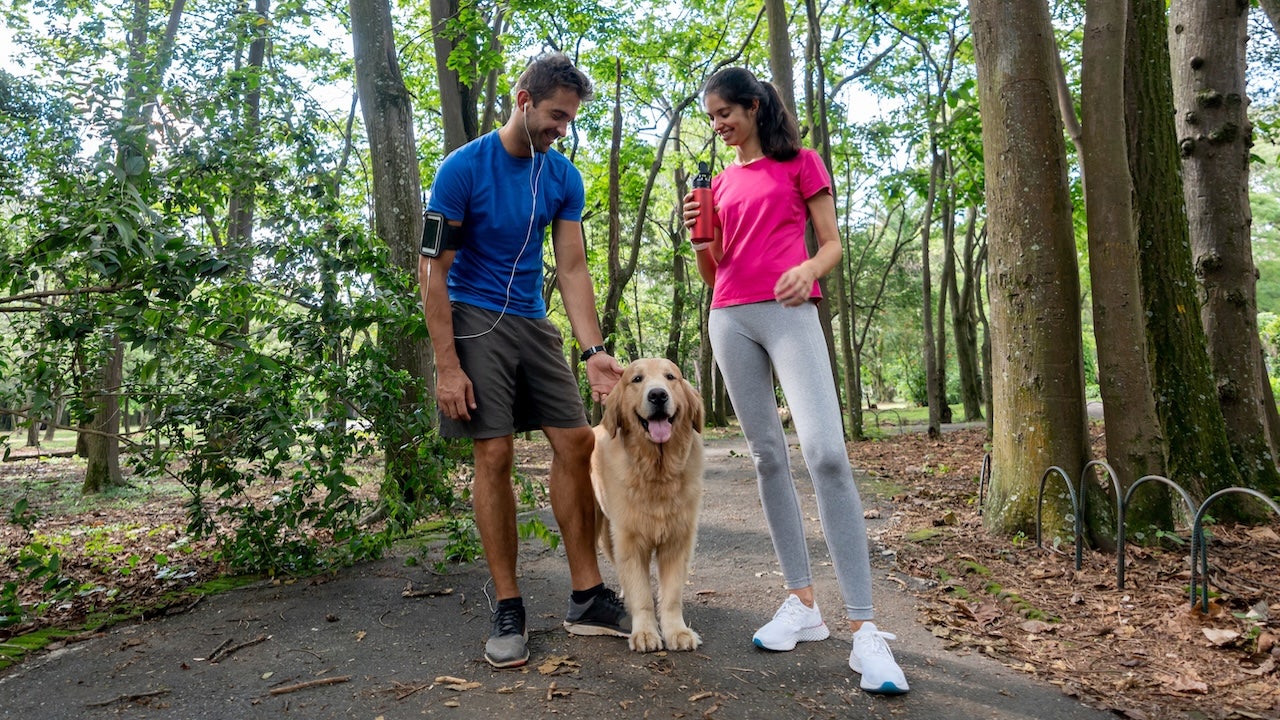
Dan Buettner, a longevity expert and founder of the organization Blue Zones, suggests that owning a dog may be a key factor in prolonging life. According to Buettner, research has shown that dog owners live longer, suffer fewer heart attacks, and experience less loneliness compared to non-owners.
Studies have found that dog ownership is associated with a 24% reduction in all-cause mortality for the general population, and for individuals who have already suffered a major cardiac event, living with a dog reduced the risk of death by up to 33%. Epidemiologists and psychologists point to three reasons why canine companions may extend human lifespans.
Firstly, dog ownership encourages daily physical activity. Research published in BMC Public Health indicates that dog owners walk an average of 22 more minutes per day than non-owners, making them more likely to meet standard weekly physical activity guidelines. Secondly, interacting with a pet has been shown to reduce stress levels and lower blood pressure. A 12-year Swedish study found that dog owners had lower blood pressure and reduced rates of cardiovascular disease.
Thirdly, dogs act as natural "social catalysts," fostering community interaction and providing emotional attachment that combats isolation. The U.S. Surgeon General has declared chronic loneliness a national public health epidemic, comparing its health risks to smoking 15 cigarettes a day. By incorporating a dog into a daily routine, owners can incorporate these habits without having to engineer complex health regimens.
Buettner's advice is straightforward: "The best thing you can do to add years to your life may surprise you. Get a dog!"
NTC Report coverage is based on reporting from the original publisher.
View original reporting →